The Orange Economy: How Creativity Connects Humanity, Breaks Barriers and Builds Prosperity
Dr R. Sri Ram, Chair of the UK–India Creative Circle, explores the power of creativity to connect cultures, strengthen international relationships and unlock economic opportunities across the Commonwealth.
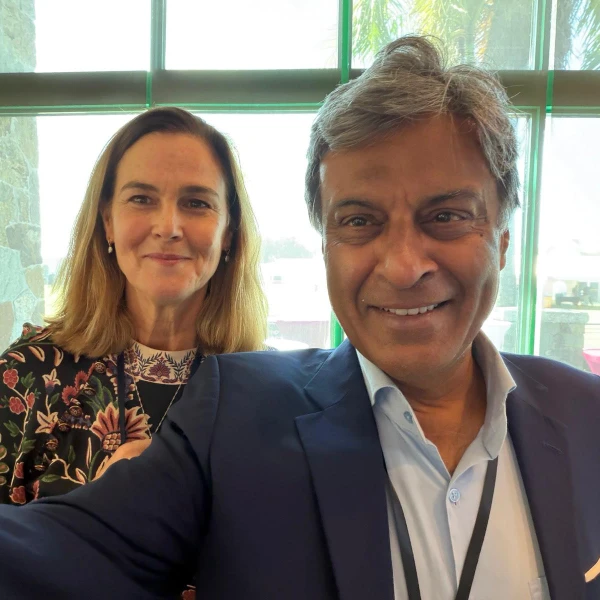
At the heart of the Orange Economy is something profoundly human: creativity.
Creativity is more than an industry or commercial sector. It is an expression of who we are as human beings. It engages our senses and shapes how we experience, interpret and understand the world around us. It gives us a way to communicate beyond language, connect across cultures and find common ground through shared experiences.
Consider food. The creativity of a chef, the combination of spices, and the colours, aromas and flavours of a dish can transport us to another country, culture or generation. Indian cuisine has become an integral part of Britain’s cultural fabric, just as British food, influences and culinary traditions have found their place in India.
Consider visual art. A painting, sculpture, photograph or piece of design offers an individual’s interpretation of the world, allowing us to see through someone else’s eyes. The relationship between British and Indian art demonstrates how artistic traditions continually influence one another, from the Bengal School and its engagement with European artistic movements to contemporary artists such as Anish Kapoor, whose work has become an important part of Britain’s cultural landscape.
Music has an equally extraordinary ability to reach people without requiring a common language. The influence of Indian classical music on Western musicians, collaborations between Indian and British artists, and the global popularity of British-Asian music all demonstrate how sound can transcend geography and bring cultures and generations together.
Through dance, theatre and performance, art forms such as Bharatanatyam and Kathak, alongside contemporary British theatre, tell stories through movement, expression and emotion. They allow audiences to experience perspectives and traditions beyond their own.
Then there is film. Film gives us the opportunity to tell powerful stories, including those that may be difficult to communicate through everyday conversation. Through a cinema screen or television, we can enter another person’s world, understand their struggles, celebrate their achievements and recognise our shared humanity. The success of Indian cinema in Britain, alongside the growing international reach of African and Commonwealth filmmaking, demonstrates the power of storytelling to connect audiences across borders.
Creativity ignites the senses. It makes us see differently, listen differently, taste differently, feel differently and, ultimately, understand one another differently.
The Commonwealth: A Shared Creative Opportunity
This is why the creative industries are so important to the Commonwealth. Our diversity is not a barrier; it is our greatest creative asset.
The relationship between Britain and India offers countless examples of how culture can connect nations and transcend historical and geographical boundaries.
We see this in our museums and cultural institutions. The Imperial War Museum’s recognition of the contribution of Indian soldiers and communities during the Second World War reminds us that our histories are deeply intertwined. The British Museum’s celebration of ancient India through its Pink Ball demonstrated the continuing fascination and relevance of Indian civilisation. Such institutions create opportunities for people to engage with heritage, discover shared histories and develop a deeper appreciation of one another.
We see it in contemporary cultural platforms too. Mo Abudu’s EbonyLife and its work bringing Nigerian film and storytelling to London audiences demonstrate how the Commonwealth’s creative voices can travel internationally and reach new audiences.
Across fashion, architecture, literature, photography, design, food and the performing arts, British and Indian creative communities are continually exchanging ideas, influencing one another and creating something new.
These are not simply cultural exchanges. They are bridges between people, businesses and nations.
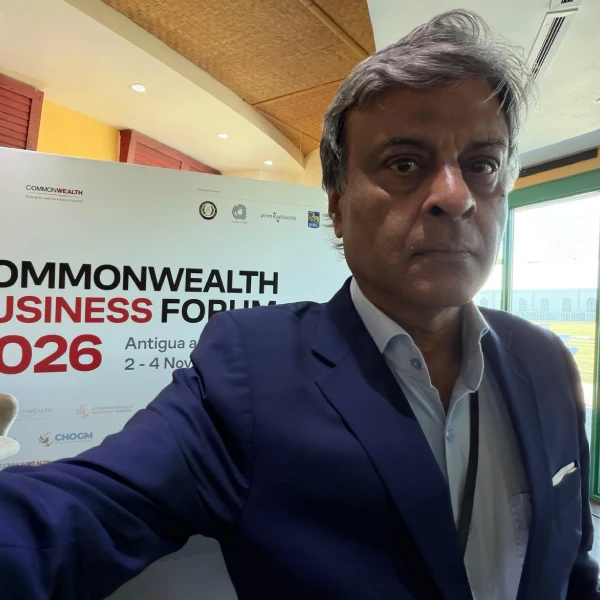
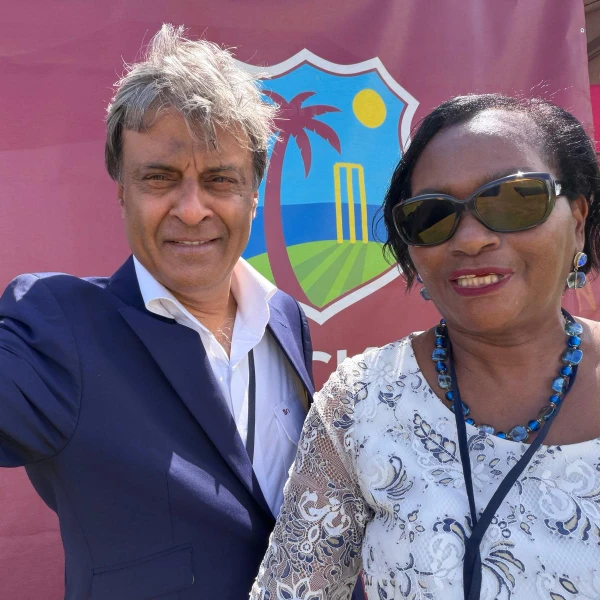
Turning Creative Energy into Economic Opportunity
The challenge is how we turn this extraordinary creative energy into sustainable economic opportunity.
Behind every film, painting, musical performance, fashion collection, restaurant or creative enterprise is an individual or team that has invested enormous time, passion and talent in bringing an idea to life.
For independent creatives, establishing themselves can take many years. Talent alone is not enough. They need access to investment, commercial advice, mentorship, business networks and opportunities to reach international markets.
We must create meaningful investment routes, strengthen trade bodies and provide platforms for small and medium-sized creative businesses. We must support creatives not just as artists, but as entrepreneurs capable of building sustainable businesses, generating employment and contributing to economic growth.
Art begins with emotion and imagination. But building a successful creative enterprise requires that passion to be supported by commercial understanding, business mentorship and access to markets.
This is where the UK Commonwealth International Chamber of Commerce and the UK–India Creative Circle have an important role to play.
Through experienced voluntary advisory board members, we can help nurture emerging talent, support independent creatives, open doors for established businesses and create meaningful commercial opportunities.
The Creative Circle is about moving beyond simply bringing people together. It is about building relationships that lead to collaboration, trade, investment and access to new markets.
A Creative Future for the Commonwealth
My message to Commonwealth leaders is clear: we must recognise the Orange Economy as a strategic opportunity for our shared future.
Imagine a Commonwealth where filmmakers can co-produce across borders, designers can reach new international markets, musicians can collaborate across continents, artists can exhibit to new audiences and food entrepreneurs can take their culinary heritage to the world.
Imagine connecting creative institutions, chambers of commerce, investors, cultural organisations and entrepreneurs through a stronger Commonwealth-wide creative network.
We already have the people, the talent, the heritage and the connections. What we need is the infrastructure, investment and ambition to bring them together.
Creativity has the power to achieve something few other forces can: it breaks down barriers without requiring us to abandon our differences. It allows us to celebrate our individual identities while finding common ground. It creates emotional connections that can last long after an event, performance or exhibition has ended.
The Commonwealth should not simply be a community connected by history. It should become a community connected by imagination, creativity and shared economic opportunity.
Let us champion the artists, filmmakers, musicians, designers, chefs, performers and entrepreneurs who bring our cultures to life.
Let us invest in their talent, open markets for their businesses and create opportunities for them to collaborate across borders.
And let us recognise that when creativity flourishes, humanity connects – and when humanity connects, new possibilities for prosperity emerge.